
Biodiversity in Africa: Fresh news, real stories, simple facts
Every day a new animal is spotted, a forest gets protected, or a community starts a garden that feeds both people and pollinators. If you want to know what’s happening with Africa’s biodiversity, you’re in the right place. We pull together the most useful updates, break them down, and tell you why they matter for you.
Why biodiversity matters in Africa
Africa’s landscapes host more than a million species, from the tiny beetles in the Congo rainforest to the massive elephants roaming the savannah. This variety is not just a cool fact—it’s the engine that keeps food, clean water, and climate stability running.
When a single species disappears, the whole web can wobble. Take the African honey‑bee. Farmers rely on its pollination to grow crops that feed families. If bee numbers drop, yields fall and prices rise. The same logic applies to big predators like lions; they control herbivore numbers, which protects grasslands from becoming over‑grazed.
Recent reports show that protected areas are expanding, but illegal hunting and land‑use change still threaten many hotspots. News about a new national park in Tanzania or a community‑led reforestation project in Kenya illustrates both the challenges and the hope.
How you can help protect it
You don’t need a doctorate to make a difference. Start with small steps that add up.
Support local projects. Many African NGOs run citizen science programs where you can record wildlife sightings with a phone. Those records help scientists track species health.
Choose sustainable products. Look for coffee, cocoa, or timber that carries a certification like Fairtrade or FSC. Those labels mean producers are protecting forests and wildlife while earning a fair wage.
Spread the word. Share a tweet about a newly discovered frog species or a clean‑river initiative. The more people know, the more pressure there is on decision‑makers to act.
Finally, stay curious. Whenever you hear a story about a new bird sighting in Ethiopia or a community protecting mangroves in Senegal, dig a little deeper. Understanding the why behind each headline turns news into action.
Keep checking this page for the latest biodiversity updates from across the continent. Whether you’re a student, a farmer, or just someone who loves wildlife, there’s always something you can do to keep Africa’s natural riches thriving.
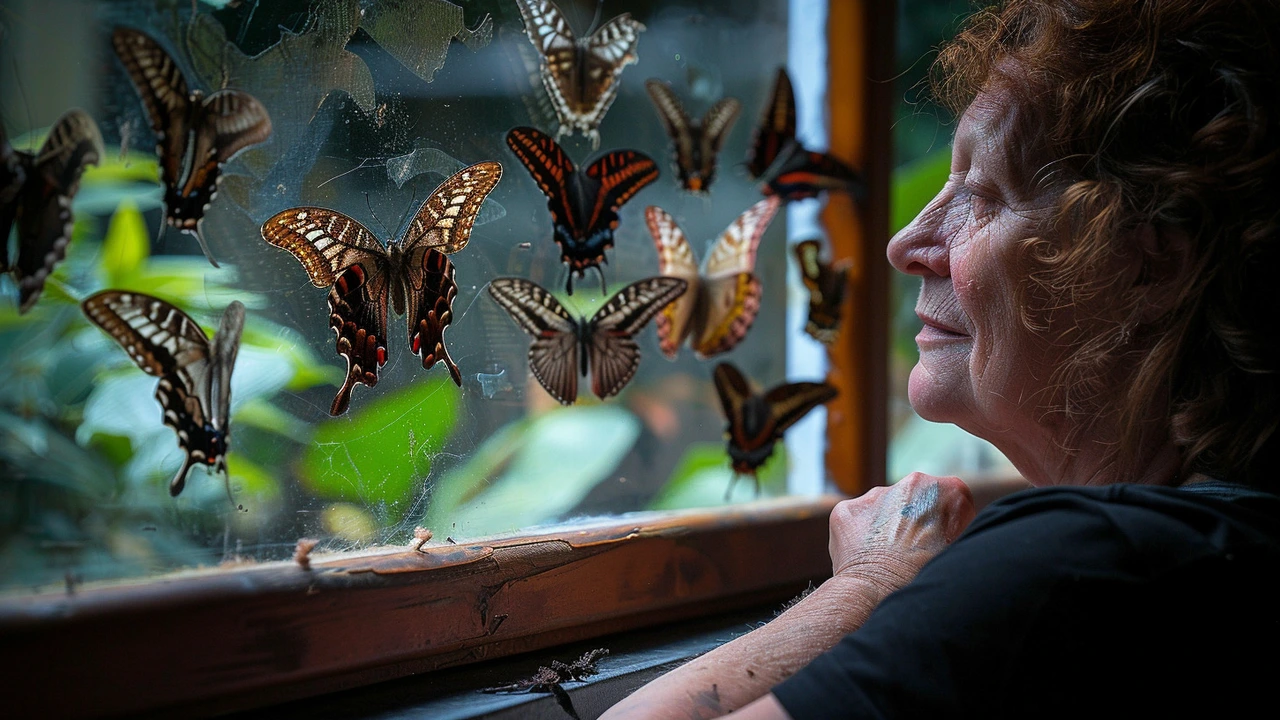
Italian Museum Recreates Tanzanian Forest to Highlight Biodiversity and Conservation
A project at MUSE in Trento, Italy, recreates a Tanzanian rainforest to highlight biodiversity research and conservation efforts. The initiative features a greenhouse environment with butterflies, aiming to educate the public on the importance of preserving such ecosystems.