
Butterfly Forest – Why It’s a Must‑See Eco Spot
If you love bright colors and fresh air, a butterfly forest should be at the top of your travel list. These natural gardens are packed with thousands of winged insects, giant leafy canopies, and a calm vibe that makes you forget the city buzz. In Africa, butterfly forests are not just pretty – they’re a sign of a healthy ecosystem and a great way to support local conservation.
Most people think of safaris when they hear “African wildlife,” but a stroll through a butterfly forest offers a different kind of thrill. You’ll see species you can’t find anywhere else, like the African monarch or the Congo silver‑spot. Watching their slow, graceful flight feels like a meditation session, and you’ll learn a lot about how these insects help pollinate plants and keep the forest thriving.
What Makes a Butterfly Forest Special
A butterfly forest is basically a piece of forest that’s been protected and managed to attract butterflies. The key factors are plenty of host plants for caterpillars, nectar‑rich flowers for adult butterflies, and a safe place free from heavy pesticide use. Because of this, the forest becomes a living classroom – you can see the full life cycle from egg to caterpillar to chrysalis to adult.
In South Africa’s KwaZulu‑Natal province, the Butterfly Valley reserve has over 300 species. In Kenya’s Kakamega Forest, you’ll find the rare African leaf‑winged butterfly that blends into the foliage like a living camouflage. Each forest tells a story about the local climate, soil, and biodiversity, making every visit unique.
Another cool thing is that butterfly forests often serve as eco‑tourism hubs. Local guides can point out hidden gems, share myths about the insects, and explain how community projects use the forest’s appeal to fund schools and clean water initiatives. By visiting, you’re putting money directly into those projects.
How to Experience a Butterfly Forest Safely
First, dress appropriately. Light, breathable clothing in neutral colors helps you blend in and avoid scaring the butterflies. A wide‑brim hat and sunscreen protect you from the sun, while sturdy shoes keep you safe on uneven paths.
When you get to the forest, move slowly and keep noise down. Butterflies are sensitive to sudden movements and loud sounds, so a gentle stroll works best. Use a small camera or smartphone for photos, but avoid flash – it can startle the insects.
Follow the guide’s rules: stay on marked trails, don’t pick plants, and if you spot a caterpillar, observe it without touching. Many forests have designated viewing platforms that let you watch butterflies up close without disturbing them.
Finally, think about how you can give back. Some forests sell souvenirs made from sustainably sourced materials, or they have donation boxes at the entrance. Even a small contribution helps maintain the habitat and supports research on butterfly migration patterns.
Whether you’re a photographer, a nature lover, or just someone looking for a peaceful escape, a butterfly forest offers a memorable experience. The colors, the calm, and the chance to support real conservation make it a win‑win. So pack a small backpack, pick a nearby butterfly forest, and let those vibrant wings lift your spirit.
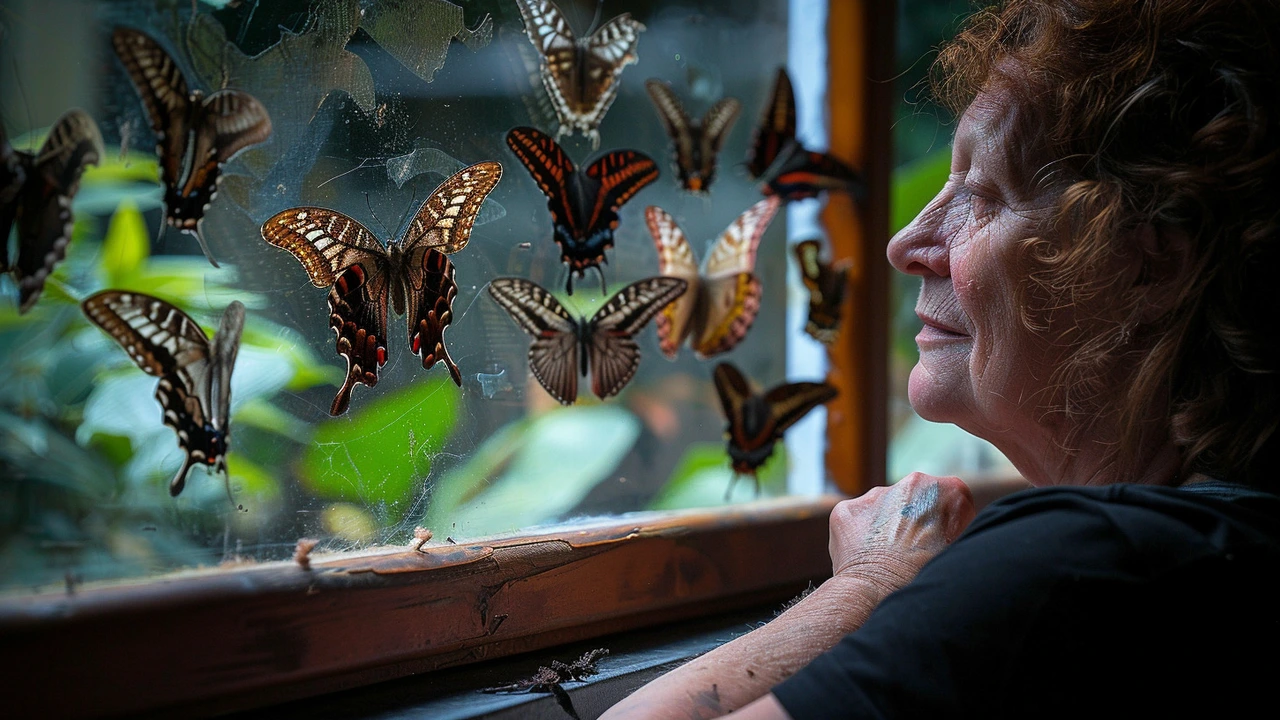
Italian Museum Recreates Tanzanian Forest to Highlight Biodiversity and Conservation
A project at MUSE in Trento, Italy, recreates a Tanzanian rainforest to highlight biodiversity research and conservation efforts. The initiative features a greenhouse environment with butterflies, aiming to educate the public on the importance of preserving such ecosystems.