
Child Marriage in Africa – What’s Happening and Why It Matters
When you hear the term “child marriage,” you might picture a wedding cake and a happy couple. In many parts of Africa, it’s a harsh reality that robs girls of their childhood, their schooling, and often their health. The practice isn’t just a cultural quirk; it’s a serious violation of human rights that keeps families and whole communities stuck in poverty.
Why does this still happen? Money, tradition and lack of education are the main drivers. In some villages, families see a young daughter’s marriage as a way to clear debts or secure an ally. Others believe that marrying a girl early protects her honor, even though it often leads to abuse and silence. The good news is that more people are speaking out, and laws are getting stronger, but the change is slow.
The Real Numbers Behind the Issue
According to recent reports, about 1 in 5 girls in sub‑Saharan Africa gets married before she turns 18. In countries like Niger, Mali and the Democratic Republic of Congo, the rates are even higher—sometimes reaching 40 percent. Those numbers translate into millions of girls losing years of school, facing early pregnancies, and dealing with higher risks of violence.
Health impacts are huge. Young girls are far more likely to suffer complications during pregnancy and childbirth. They also face a greater chance of contracting HIV and other sexually transmitted infections. When a girl drops out of school, she not only loses a chance to earn a living wage, she also reduces the future earnings of her whole family.
What You Can Do to Help
Change starts with awareness. Talk about child marriage with friends, family and on social media. Share stories that show the real cost of the practice and highlight girls who have broken the cycle through education.
Support local organizations that provide scholarships, health services and safe spaces for girls. Even a small donation can fund a school uniform or a health check‑up that makes a big difference.
If you’re a teacher or community leader, push for policies that enforce the legal marriage age and protect girls who resist early marriage. Encourage parents to keep their daughters in school and show them the long‑term benefits of education.
Finally, keep the conversation going. Ask your government representatives to allocate more resources to programs that combat child marriage. The more pressure we put on policymakers, the faster laws will turn into real protection on the ground.
Child marriage isn’t just a “someone else’s problem.” It’s a barrier to a healthier, more educated, and more prosperous Africa. By staying informed, speaking up, and backing the right initiatives, we can help girls stay in school, stay safe, and build the futures they deserve.
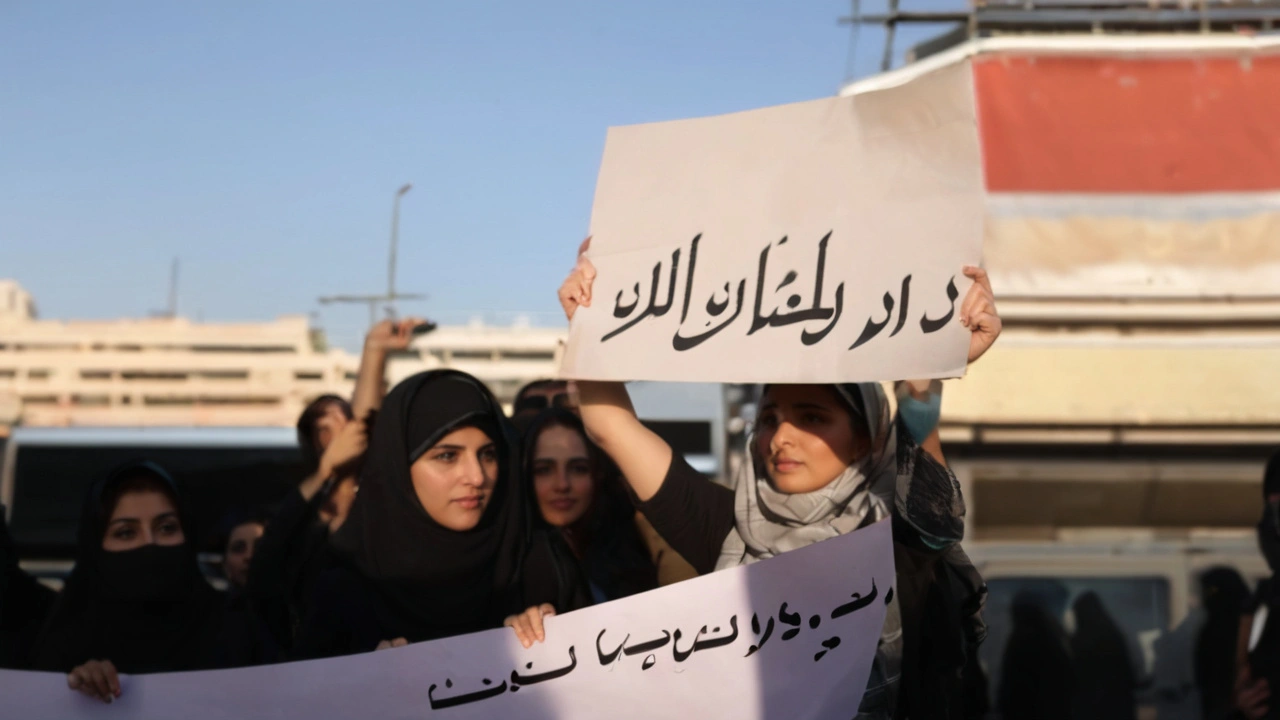
Controversial Iraqi Legislation on Child Marriage Sparks Outrage
A legislative proposal in Iraq is sparking protests as it empowers religious leaders to oversee family matters, potentially legalizing child marriage for girls as young as nine. Women's rights groups are condemning the bill, arguing it would promote child abuse and undermine existing laws prohibiting underage marriage.