
Desertification in Africa – What’s Happening and How to Stop It
Desertification is turning once‑fertile land into barren waste, and it’s hitting Africa hard. If you’ve seen dusty plains where farms used to be, you’ve witnessed it yourself. The loss of soil and water doesn’t just affect crops; it reshapes whole communities.
Why desertification is happening
First, climate change pushes temperatures up and rains down. Hotter air dries out the ground faster, and erratic rains leave the soil cracked and exposed. Second, over‑grazing and bad farming practices strip away the protective plant cover. When cattle herd over the same spot for years, grasses can’t recover, leaving bare earth that the wind can whisk away. Third, deforestation for firewood or charcoal removes trees that hold soil together. Without roots, a single strong wind can lift whole topsoil layers. Finally, water misuse—like drawing too much from rivers for irrigation—lowers water tables and dries out the surrounding land.
How to fight desertification
One of the simplest fixes is planting trees and shrubs that survive in dry conditions. Agroforestry mixes crops with trees, giving farmers shade, fruit, and soil‑holding roots. Another effective tool is contour farming: planting along the natural slope of a hill so rain runs off slowly, letting water soak in instead of rushing away. Sustainable grazing rotations let grass grow back before the next herd arrives, keeping the ground covered. Governments and NGOs are also building small dams and rain‑catchment systems that store water for dry periods, reducing the need to over‑extract groundwater.
Community involvement makes any plan work. When local people decide which trees to plant or how many animals each family can keep, the solutions fit the reality on the ground. Training sessions on soil‑health techniques, like using compost and mulch, give farmers cheap ways to keep nutrients in the earth. Some regions are experimenting with “sand fences” – lines of brush or stone that trap moving sand, allowing vegetation to take root behind them.
Technology also helps. Satellite images show exactly where the land is drying fastest, so resources can be sent to the most vulnerable spots. Mobile apps let farmers get weather alerts and advice on planting the right seeds for a given season. When data meets local knowledge, the response becomes faster and more precise.
What can you do? Support products that come from farms using regenerative practices. Share information about desertification with friends and family so the issue stays on the radar. If you live near an affected area, volunteer for tree‑planting days or help spread low‑cost water‑saving tips.
Desertification isn’t unstoppable. By combining simple land‑care habits, community leadership, and modern tech, Africa can turn the tide and keep its soils healthy for the next generation.
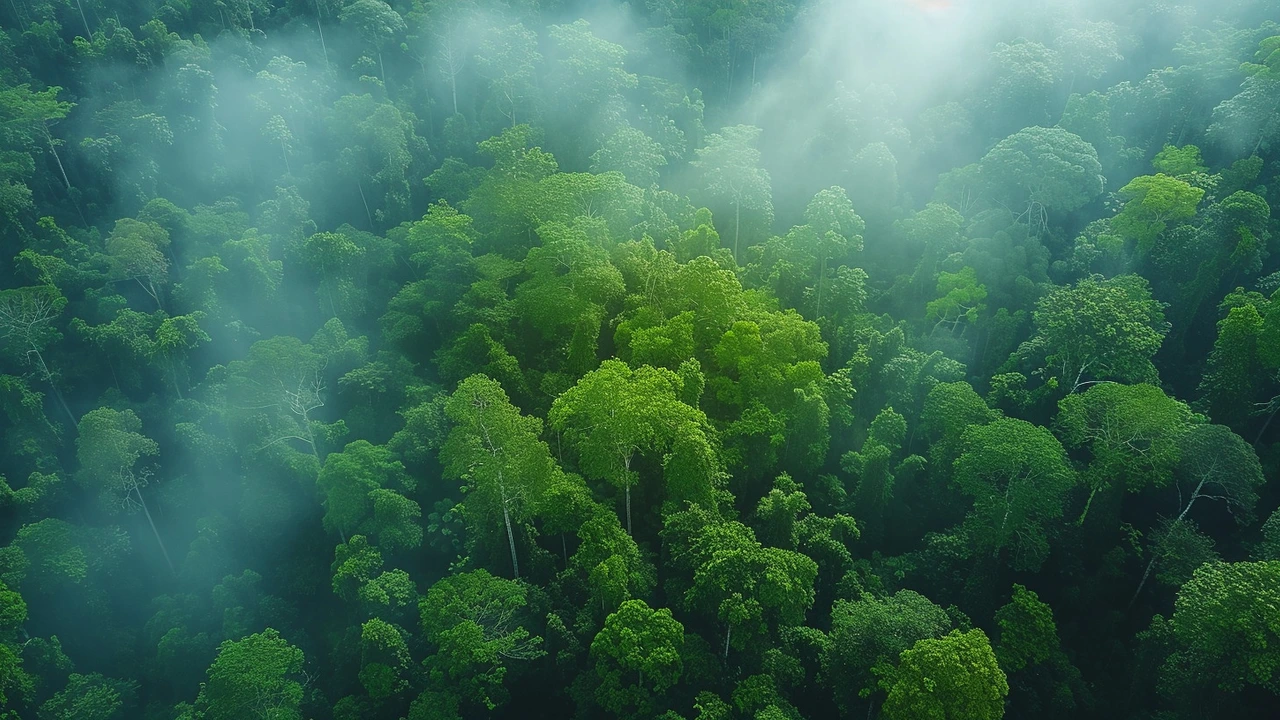
World Environment Day 2024: A Call to Combat Desertification and Drought Inspired by Laudato sì
World Environment Day 2024, hosted by Saudi Arabia, focuses on reversing land degradation and building resilience against droughts. The UN reports that up to 40% of the world's land is degraded, with drought frequency increasing. Dr. Iyad Abu Moghli calls for reforestation, soil conservation, and water management, taking inspiration from Pope Francis’ Laudato sì to engage communities in environmental protection.