
Domestic Violence in Africa – What’s Happening and How You Can Help
Domestic violence is a hidden crisis that affects millions of families across the continent. It isn’t just a private issue – it ripples through communities, economies, and future generations. Understanding the scale of the problem is the first step toward change.
Why the Numbers Matter
Recent surveys show that up to 1 in 3 women in some African countries have experienced physical or sexual violence by a partner. In rural areas, the rates can be even higher because help is harder to reach. Men aren’t immune either; many suffer emotional or physical abuse but rarely report it due to stigma.
The fallout goes far beyond bruises. Survivors often face mental health challenges, lost work opportunities, and disrupted schooling for their children. Communities pay the price too – violence erodes trust, fuels poverty, and slows development.
Practical Ways to Support Survivors
If you want to make a difference, start locally. Know the hotlines in your country – for example, South Africa’s 0800 428 428 and Kenya’s 1192. Sharing this contact info with friends or posting it in community centers can save lives.
Volunteer with NGOs that run safe houses or legal aid clinics. Even a few hours a month can help survivors find shelter, medical care, or counsel. If you’re a teacher or health worker, create a safe space where people feel comfortable speaking up. Small gestures, like listening without judgment, can be powerful.
Community leaders play a big role. When religious or tribal heads speak out against abuse, attitudes shift quickly. Encourage them to host workshops that teach respectful relationships and conflict resolution.
Don’t underestimate the power of education. Schools that teach gender equality and consent see lower rates of violence among students. Support programs that integrate these lessons into the curriculum.
Finally, use your voice online. Share stories, data, and resources on social media. Simple posts that highlight a survivor’s journey or a local support service can reach hundreds of eyes and spark conversation.
Domestic violence won’t disappear overnight, but every action adds up. By staying informed, spreading resources, and backing community initiatives, you become part of the solution. Together we can turn the tide and build safer, healthier lives for everyone in Africa.
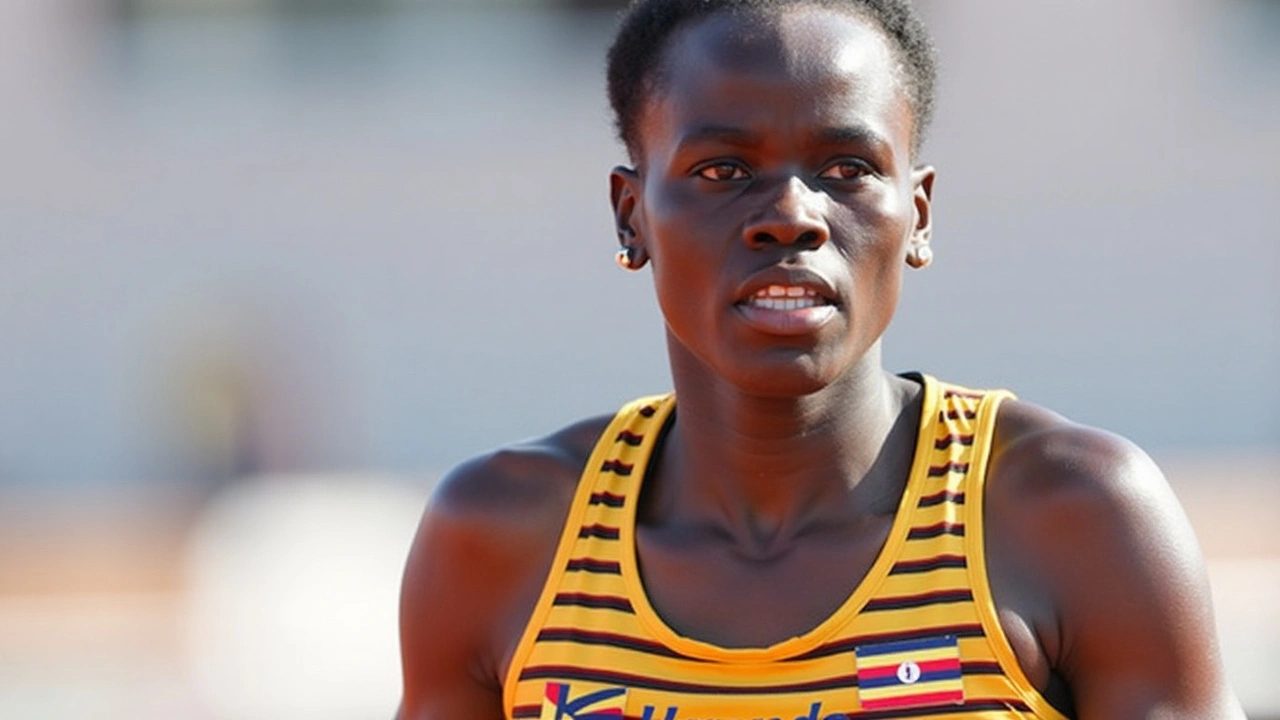
Ugandan Olympic Marathoner Rebecca Cheptegei Dies in Horrific Attack by Ex-Boyfriend
Ugandan Olympian Rebecca Cheptegei succumbed to severe burns after being set on fire by her former boyfriend, Dickson Ndiema Marangach. The attack, a result of a land dispute, has sparked condemnation from the National Olympics Committee and the Ugandan Athletics Federation, highlighting ongoing issues of domestic violence in the region. The incident unfolded in Cheptegei's home in Endebess, western Kenya.