
Extreme Weather in Africa – What’s Happening Right Now
Every year Africa sees more rain, heat, storms, and floods than before. From scorching deserts turning hotter to coastal cities battling stronger cyclones, the patterns are changing fast. The news you read here covers the most recent events, why they matter, and what you can do if a storm hits your town.
First off, the heat is not a joke. Temperatures in places like the Sahel and southern Africa are regularly hitting 45°C (113°F) during summer. That means more water loss, crops dying early, and people needing extra water just to stay cool. If you live in a hot area, keep a supply of drinking water, wear loose clothing, and try to stay out of direct sun during peak hours.
Why extreme weather matters
Extreme weather isn’t just a headline – it directly affects food, health, and jobs. A single flood can wipe out a whole season’s harvest, leaving families without enough to eat. Heavy rains also bring water‑borne diseases like cholera, especially where sanitation is weak. When you hear about a storm warning, think about how it will impact schools, markets, and clinics near you.
Scientists link many of these events to climate change. Rising greenhouse gases trap more heat, which fuels stronger storms and longer dry spells. African nations are contributing less to global emissions than high‑income countries, yet they often feel the worst impacts. Understanding the link helps you see why international climate talks matter for your community.
How to stay safe and protect your community
Preparation saves lives. Make a simple emergency kit with bottled water, non‑perishable food, a flashlight, batteries, and any essential medicines. Share the kit list with neighbors so everyone knows what to grab when a warning sounds. If you live in a flood‑prone area, identify higher ground and practice a quick route to get there.When a storm arrives, follow local alerts. Turn off electricity if flooding is possible, and secure loose items outside your home that could become projectiles. After the event, avoid standing water – it can hide dangerous currents or contaminants. Report broken pipes or damaged roads to local authorities so they can act fast.
Community action can make a big difference. Organize a neighborhood watch to check on elderly residents after a storm. Plant trees or support local re‑forestation projects; vegetation slows runoff and reduces erosion. Even small changes, like using rain barrels to collect water, help lessen the strain during droughts.
Keep an eye on reliable sources for updates – national weather services, local radio, or trusted online portals. Social media spreads rumors quickly, so verify any warning before reacting. The more accurate the information you have, the better you can plan your day and protect loved ones.
Extreme weather won’t disappear overnight, but staying informed and prepared can cut its impact. Use the tips above, talk to your neighbors, and keep watching the news for the latest developments. Together, we can handle the heat, the floods, and everything in between.
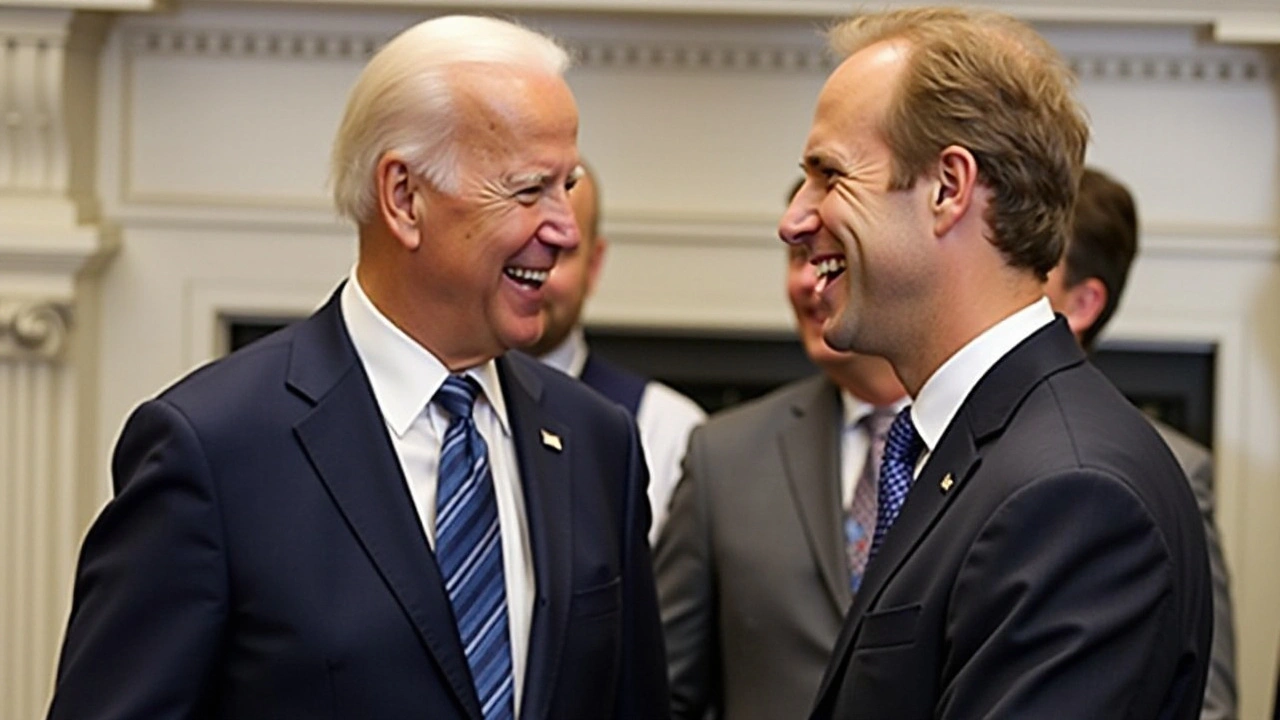
Key Updates on Hunter Biden, Trump Organization's Legal Battle, and More: What You Need to Know
On December 2, 2024, key stories you need to know include Hunter Biden's expected guilty plea, severe weather conditions affecting the U.S., the Trump Organization's ongoing civil fraud trial, proposed compensation rules for lost airline luggage, and the astounding valuation of a banana artwork by Maurizio Cattelan. These events highlight significant developments impacting politics, weather, business, consumer rights, and contemporary art.