
Lagos – Eco News and Environmental Updates
If you live in Lagos or follow its headlines, you know the city moves fast. At the same time, Lagos faces big environmental pressures – traffic jams, waste piles, flooding, and rapid growth. This page pulls together the most useful stories about what’s happening on the ground, what people are doing to fix problems, and where you can get involved.
Key Challenges Facing Lagos
First up, air quality. With millions of cars and a growing number of diesel generators, the smog can feel almost permanent. Recent measurements show particulate matter often exceeds World Health Organization limits, especially in downtown districts. Breathing easy is a daily concern, and the city’s monitoring network is still expanding.
Second, waste management. Lagos generates over 13,000 tonnes of solid waste each day, but many neighbourhoods still rely on informal dump sites. Illegal dumping creates breeding grounds for disease‑carrying insects and blocks drainage, making flash floods more likely during the rainy season.
Third, flooding. Rising sea levels and heavy rains combine with clogged canals to inundate streets and homes. The 2023 flood season left thousands without power and caused billions in damage. Climate‑smart planning is now a must‑have for any new development.
Local Green Initiatives Driving Change
Despite the challenges, Lagos is buzzing with grassroots projects and government programmes aimed at a greener future. The "Clean Lagos" campaign, launched by the state government, encourages residents to separate recyclables and supports community clean‑up days. Volunteers equipped with gloves and bags have cleared thousands of tonnes of rubbish from beaches and inland sites.
Renewable energy is gaining traction, too. Solar panel startups are installing rooftop systems on schools and small businesses, cutting reliance on diesel generators. A recent partnership between a local university and an energy NGO provided solar kits to 200 households in the Lekki area, slashing electricity costs and reducing emissions.
Urban farming is another fast‑growing trend. Small plots on rooftops and vacant lots now produce vegetables for nearby markets, reducing food‑miles and providing fresh produce in densely populated neighbourhoods. Projects like "Green Lagos Gardens" not only feed families but also create green buffers that absorb rainwater, helping to mitigate flood risk.
If you want to get involved, start with your neighbourhood association. Many local groups host weekly clean‑up walks, tree‑planting events, and workshops on composting kitchen waste. Signing up for a city‑run SMS alert service can also keep you informed about upcoming recycling collection days and flood warnings.
For policymakers and investors, the message is clear: Lagos needs sustainable infrastructure now. Expanding the waste‑to‑energy sector, upgrading drainage systems, and scaling up public transport with low‑emission buses can all create jobs while protecting the environment.
In short, Lagos is a city of contrast – massive challenges alongside powerful community energy. Keeping an eye on the latest eco stories helps you stay informed, make smarter choices, and join the momentum toward a cleaner, more resilient Lagos.
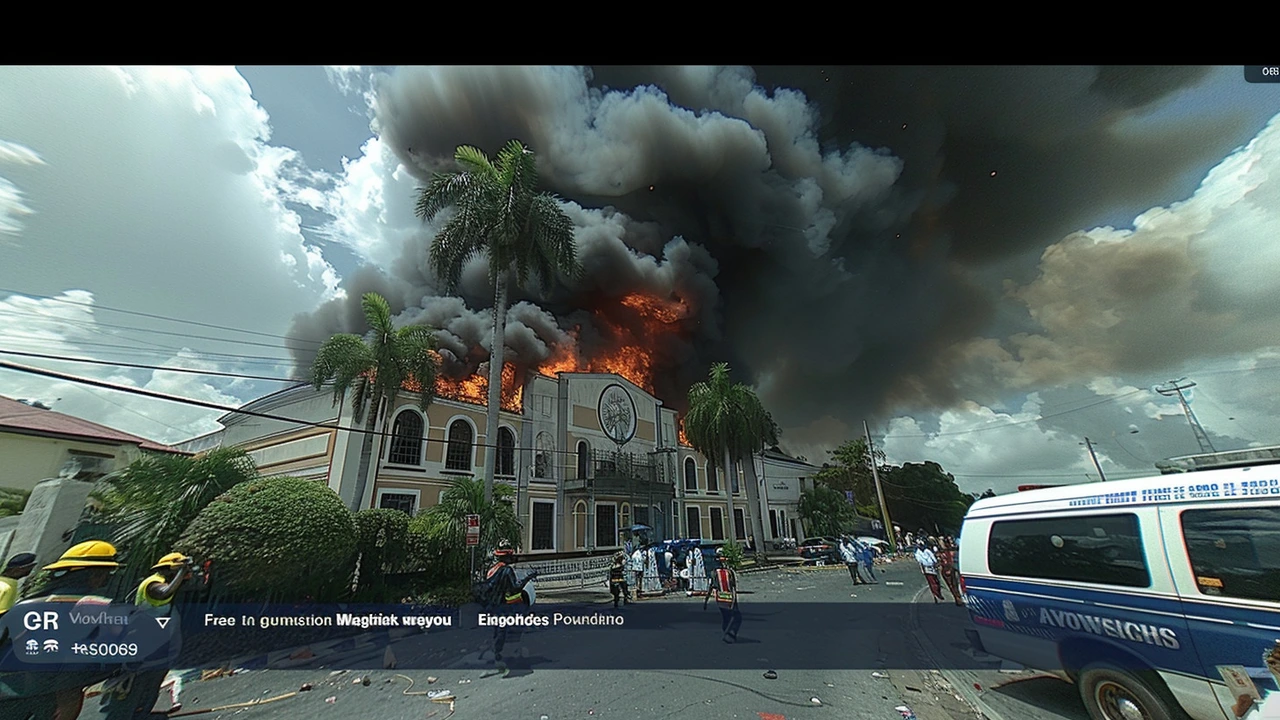
Massive Fire Engulfs Christ Embassy Church Headquarters in Lagos
A devastating fire has broken out at the headquarters of Christ Embassy Church in Oregun, Ikeja, Lagos. The fire, captured in a video clip that has gone viral, shows the building in flames with thick smoke pouring out. No official statement or further details from the church yet. Firefighters are on the scene trying to control the blaze.