
Legislation that Shapes Africa’s Environment
Every time a government passes a new rule, it can change how we protect rivers, forests, or the air we breathe. In Africa, the pace of environmental legislation is picking up, and the impact is felt on the ground – from farmers to city planners. Let’s break down what’s happening and why it matters to you.
Why New Laws Matter
First off, legislation is the backbone of any real change. A law can lock in funding for renewable energy, set limits on mining waste, or require companies to report their carbon footprint. Without that legal push, many good ideas stay on paper. Think of it like a traffic light – it tells everyone when to stop, go, or slow down.
Second, laws give citizens a way to hold leaders accountable. If a community sees a new regulation for protecting wetlands, they can point to it if a developer tries to ignore it. That legal clarity cuts down on guesswork and builds trust.
Key Recent Bills to Watch
South Africa’s Plastic Ban Expansion (2024) – The government extended its single‑use plastic ban to include more packaging types and tightened penalties. The move is already lowering plastic litter on beaches and in rivers, giving wildlife a breather.
Nigeria’s Renewable Energy Incentive Act (2023) – This law offers tax breaks for solar farms and mandates that at least 30% of new power projects use clean energy sources. Small businesses in Lagos are already tapping into cheaper solar kits.
Kenya’s Forest Conservation Amendment (2025) – The amendment raises fines for illegal logging and creates community-led monitoring committees. Villages near the Mau Forest have started reporting violations directly to authorities.
Egypt’s Water Management Reform (2024) – By setting stricter limits on groundwater extraction and promoting drip irrigation, the law aims to curb the drop in the Nile’s flow. Farmers in Upper Egypt are testing new watering systems that save up to 40% of water.
These examples show a trend: African governments are moving from broad statements to concrete rules that can be enforced.
What does this mean for everyday people? If you own a small farm, the new water rules might push you toward smarter irrigation, saving money in the long run. If you run a shop, the plastic ban could mean swapping out packaging – a cost now, but a cleaner streetscape later.
Businesses are also feeling the shift. International investors often look for clear environmental policies before committing capital. A solid legal framework can attract green funding, creating jobs and boosting local economies.
For activists and NGOs, the new laws are tools, not just talking points. They can cite the Renewable Energy Incentive Act when urging a city council to approve a solar project, or use the Forest Conservation Amendment to challenge illegal timber sales.
Finally, stay alert. Laws can change, and sometimes they face pushback. Monitoring official gazettes, joining local watchdog groups, and following trusted news sites will keep you in the loop.
Bottom line: African environmental legislation is moving fast, and it’s more than bureaucratic jargon. It shapes the air you breathe, the water you drink, and the jobs in your community. Knowing the basics helps you make better choices and join the conversation when it matters most.
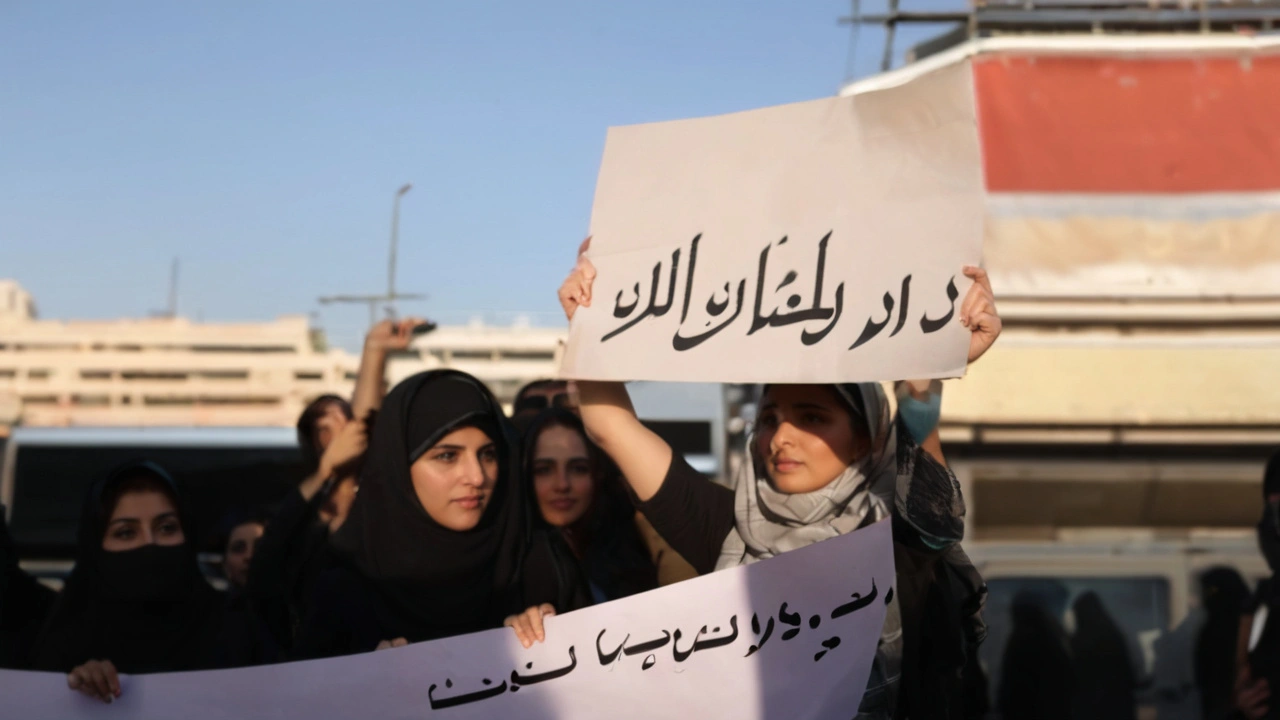
Controversial Iraqi Legislation on Child Marriage Sparks Outrage
A legislative proposal in Iraq is sparking protests as it empowers religious leaders to oversee family matters, potentially legalizing child marriage for girls as young as nine. Women's rights groups are condemning the bill, arguing it would promote child abuse and undermine existing laws prohibiting underage marriage.