
National Minimum Wage: What It Means for Workers and Employers
South Africa’s national minimum wage is a hot topic. It’s the lowest amount anyone can legally be paid per hour, and it touches every job from a coffee shop barista to a construction site laborer. Understanding the rules helps you know your rights, avoid fines, and plan for the future.
Why the Minimum Wage Exists
The government created the minimum wage to stop extreme pay cuts and give workers a basic living standard. It also tries to level the playing field so big firms don’t undercut smaller ones by paying less. When the rate goes up, people generally have a little more cash to spend, which can boost local businesses.
How the Rate Is Set
Each year a panel looks at inflation, unemployment and the cost of food, housing and transport. They then recommend a new rate, which the president signs into law. For example, the current rate is R23.19 per hour. If you work part‑time, you multiply that amount by the hours you actually work.
One common mistake is assuming the minimum wage covers overtime, bonuses or tips. Those are separate. Overtime usually means you get 1.5 times the regular rate after a set number of hours. Tips are additional money that can’t be counted toward the minimum wage unless the employer explicitly adds them to the base pay.
If you’re an employer, you must keep records of each employee’s hours and pay. The law says you need to show the hourly rate, total hours, and any deductions. Failure to do this can lead to penalties, back‑pay orders and even criminal charges.
Employees should check their payslips. If the hourly number looks lower than R23.19, ask your boss for an explanation. Sometimes a learner allowance or a trainee program has a separate, lower rate—but that only works if the role truly qualifies as training.
Small businesses often worry that a higher wage will raise their costs too much. The reality is that many can absorb the change by improving productivity, cutting waste, or slightly raising prices. In the long run, paying workers fairly can reduce turnover, which saves money on hiring and training.
There are also exemptions. Certain sectors, like agriculture or domestic work, have different minimum rates. If you work in one of these, check the specific rules because they might be lower or have special conditions.
Finally, keep an eye on upcoming reviews. The wage can change every year, and staying informed helps you avoid surprises. Sign up for newsletters from the Department of Labour or follow reputable local news sources for updates.
Bottom line: the national minimum wage is about ensuring a basic income for workers while keeping the market fair. Whether you’re on the payroll or hiring staff, knowing the details protects you and keeps the economy moving smoothly.
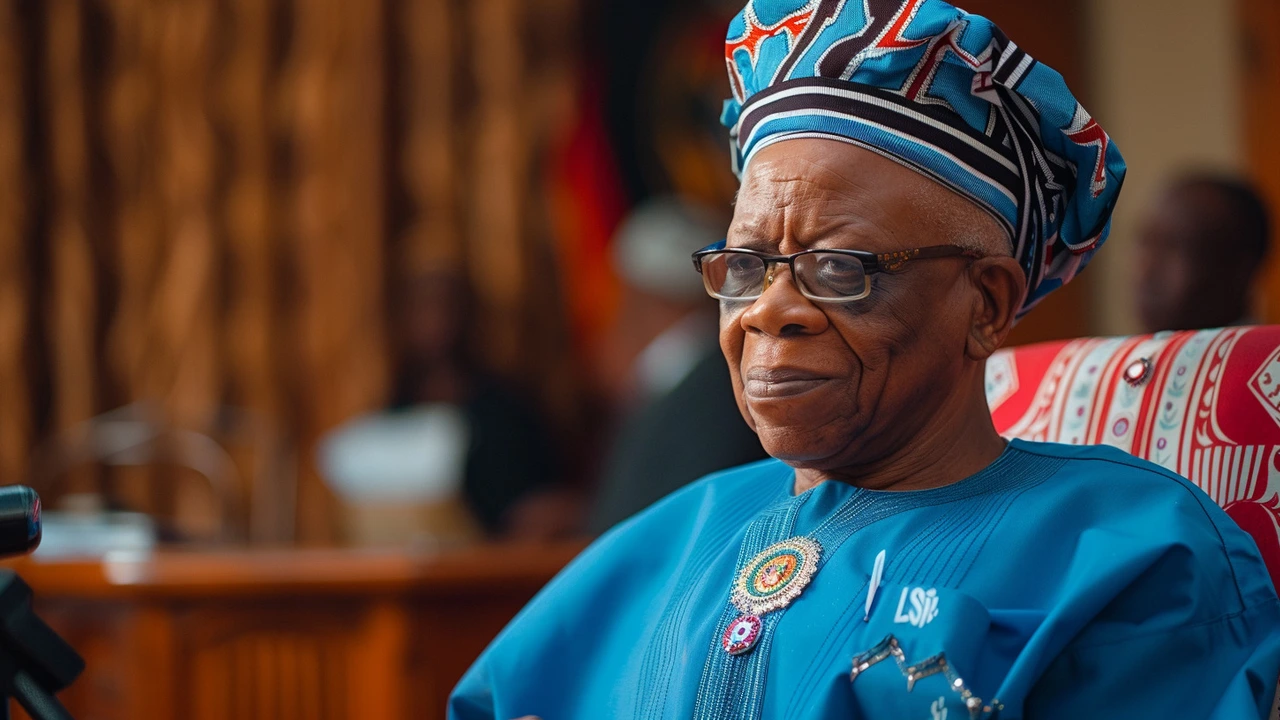
Tinubu Delays Decision on New National Minimum Wage for Extensive Consultations
President Bola Ahmed Tinubu has postponed the announcement of a new minimum wage for public sector workers in Nigeria. He plans to conduct further consultations with key stakeholders, including local government areas, states, and the Federal Government, before making a final decision. The move seeks to ensure a well-informed and balanced approach to the new wage structure.