
Native Plants in Africa: Benefits, Tips & Simple Ideas
Thinking about making your garden greener? Using plants that are already part of Africa’s natural landscape is the quickest way to boost health, cut water use, and support local wildlife. Native plants are tough, beautiful, and perfect for anyone who wants a garden that works with the climate, not against it.
Benefits of Native Plants
First off, native species need far less water than exotic imports. Their roots are adapted to local rainfall patterns, so they survive dry spells with little extra irrigation. That means lower water bills and less strain on local water supplies.
Second, native plants provide food and shelter for insects, birds, and mammals that have lived on the continent for millennia. When you plant a South African protea or a Kenyan acacia, you’re giving pollinators a reliable nectar source and creating nesting spots for birds. This helps keep the whole ecosystem balanced.
Third, these plants are often resistant to local pests and diseases. Because they evolved here, they have built‑in defenses that reduce the need for chemical sprays. A garden full of native shrubs and grasses can stay healthy with minimal input, which is great for the environment and your wallet.
Getting Started with Native Plant Gardens
Start by checking what grows naturally in your region. Most African countries have online plant databases or local extension offices that list species suited to different soil types and rainfall zones. Pick a handful of easy‑to‑grow choices – for example, the hardy aloe vera, the colorful bougainvillea, or the wind‑tolerant lemon verbena.
Next, prepare the soil. Native plants often thrive in poorer soils, so you don’t need heavy compost. A simple mix of native sand, some organic matter, and good drainage will do. If you’re on a rainy coast, add a layer of gravel to prevent waterlogging.
When you plant, space the shrubs and trees according to their mature size. Overcrowding hurts root development and makes the garden look messy. Group plants with similar water needs together – this is called “hydrozoning” and it makes watering easier.
Mulch with local leaf litter or bark. Mulch helps retain moisture, suppresses weeds, and slowly adds nutrients as it breaks down. It also mimics the natural forest floor, which native seed‑eating birds love.
Finally, be patient. Native plants may take a season or two to show full color, but they’ll reward you with steady growth, fewer pests, and attractive wildlife visitors. Remember to re‑seed any gaps each year to keep the garden dense and thriving.
Whether you have a balcony, a small backyard, or a large farm, native plants can transform any space into a low‑maintenance, eco‑friendly haven. By choosing species that belong to Africa’s own flora, you’re doing a simple thing that makes a big impact on water use, biodiversity, and overall garden health.
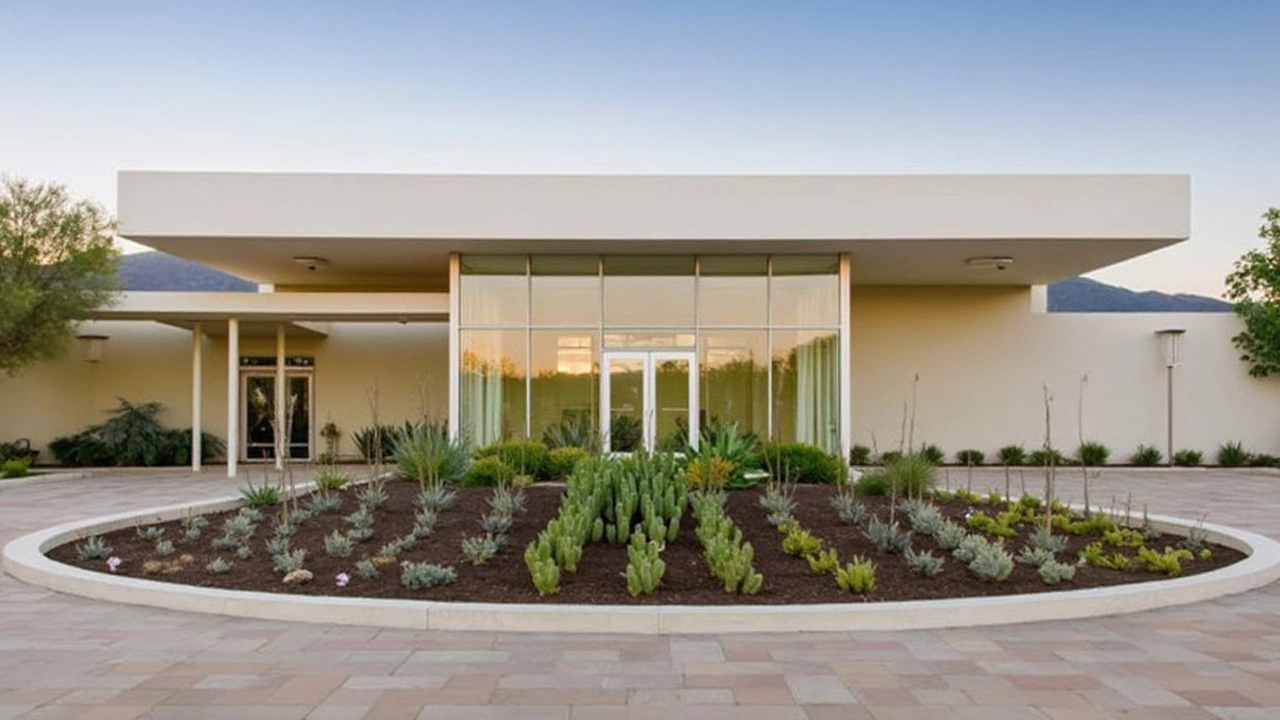
Sunnylands Earth Day Family Day Brings Community and Nature Together in Rancho Mirage
Sunnylands Center & Gardens in Rancho Mirage threw open its gates for a free Earth Day Family Day, spotlighting local ecosystems with workshops, plant swaps, and engaging activities for all ages, aiming to deepen environmental understanding in the Coachella Valley.