
What’s Happening in Africa’s Environment Right Now?
Every day brings a new story about Africa’s natural world. From rainforests in Tanzania to desert lands under threat, the news is full of real‑life examples of how people are protecting the planet. This page gathers the most recent updates so you can grab the facts quickly and see how you might get involved.
Italian Museum Brings Tanzanian Forest to Europe
Imagine walking through a greenhouse that feels like a Tanzanian rainforest. That’s exactly what the MUSE museum in Trento, Italy, has built. The project recreates a forest with live butterflies, native plants, and a climate that mirrors the real thing. It isn’t just a cool exhibit – it’s a tool to teach visitors why biodiversity matters. By seeing the forest up close, people can understand how fragile ecosystems are and why protecting them in Africa is vital.
The museum’s designers worked with Tanzanian scientists to make sure every plant and insect is accurate. The goal is to spark curiosity and inspire visitors to support conservation projects back on the continent. If you ever get a chance to visit, think of it as a window into Africa’s wild heart.
World Environment Day 2024 Calls for Action on Desertification
World Environment Day this year was held in Saudi Arabia, and the theme was crystal clear: stop desertification and build drought resilience. The UN says up to 40% of the world’s land is already degraded, and droughts are hitting harder every decade. Experts like Dr. Iyad Abu Moghli are urging African nations to plant trees, protect soil, and manage water smarter.
The call to action draws inspiration from Pope Francis’ Laudato sì, reminding us that caring for the Earth is a shared responsibility. Practical steps include community tree‑planting programs, using drought‑tolerant crops, and adopting simple soil‑saving techniques. When local people take part, the impact spreads far beyond a single field.
These two stories show two ends of the same spectrum – one highlights education through a museum, the other pushes policy and grassroots work on the ground. Both aim to keep Africa’s environment healthy.
So, what can you do right now? If you’re in Africa, look for local conservation groups that organize tree‑planting days or butterfly releases. If you’re elsewhere, support organizations that fund African projects, or share these stories to raise awareness. Every small action adds up.
Stay tuned to Eco News Africa for more updates. We’ll keep bringing you clear, useful stories about the environment, from the savanna to the city, from policy talks to hands‑on projects. The planet needs us all, and staying informed is the first step.
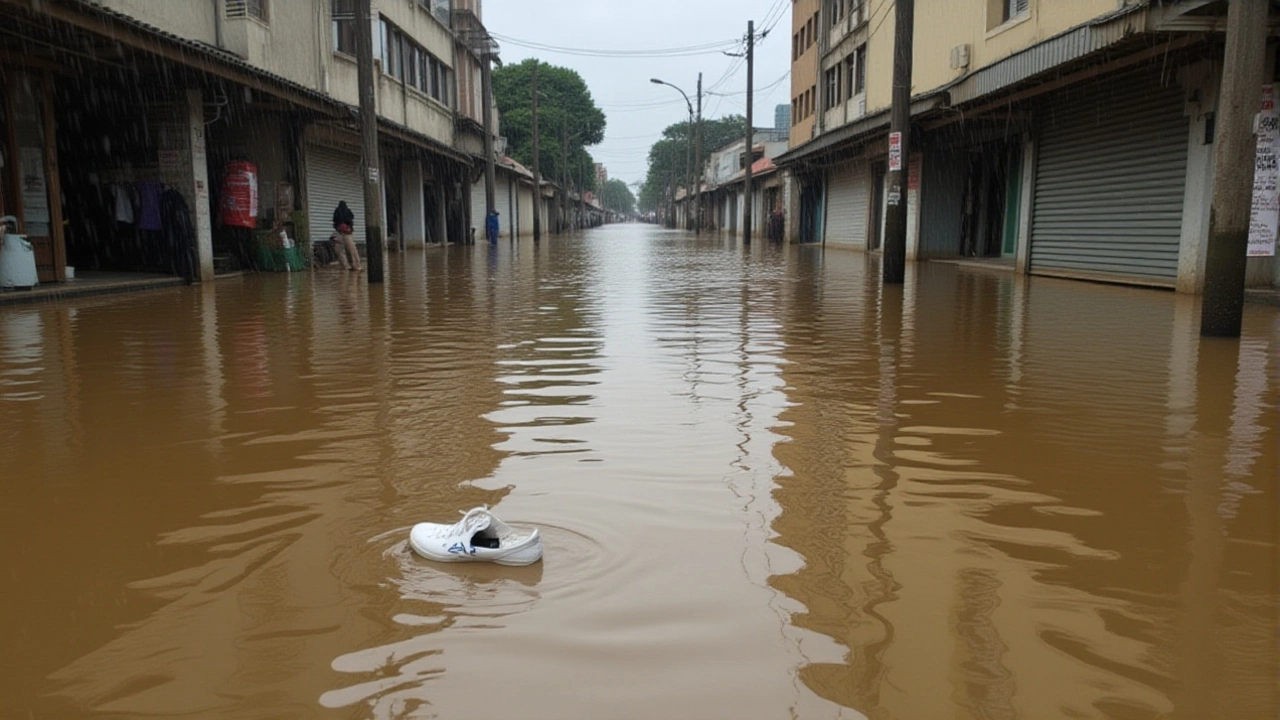
Heavy Rains Flood Nairobi, Rift Valley as Kenya’s March Crisis Deepens
Torrential rains on March 10 2025 flooded Nairobi, the Rift Valley and Lake Victoria Basin, displacing families and sparking urgent aid as climate extremes intensify.
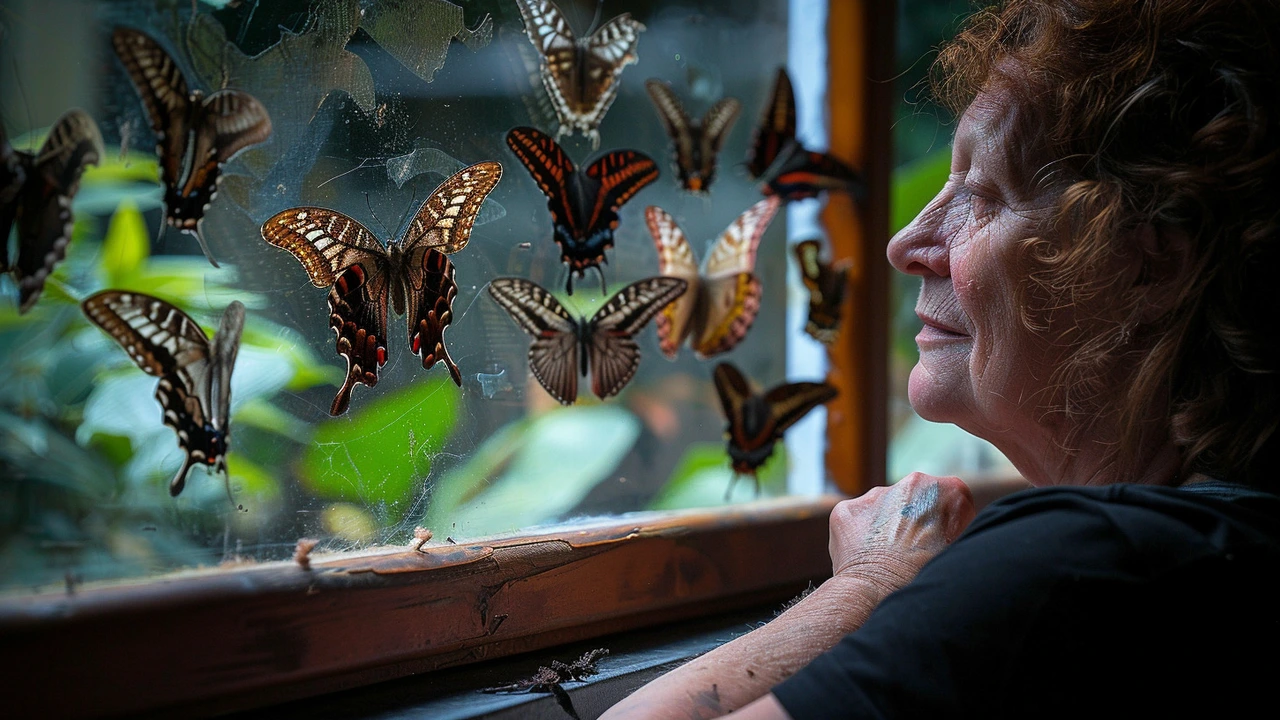
Italian Museum Recreates Tanzanian Forest to Highlight Biodiversity and Conservation
A project at MUSE in Trento, Italy, recreates a Tanzanian rainforest to highlight biodiversity research and conservation efforts. The initiative features a greenhouse environment with butterflies, aiming to educate the public on the importance of preserving such ecosystems.
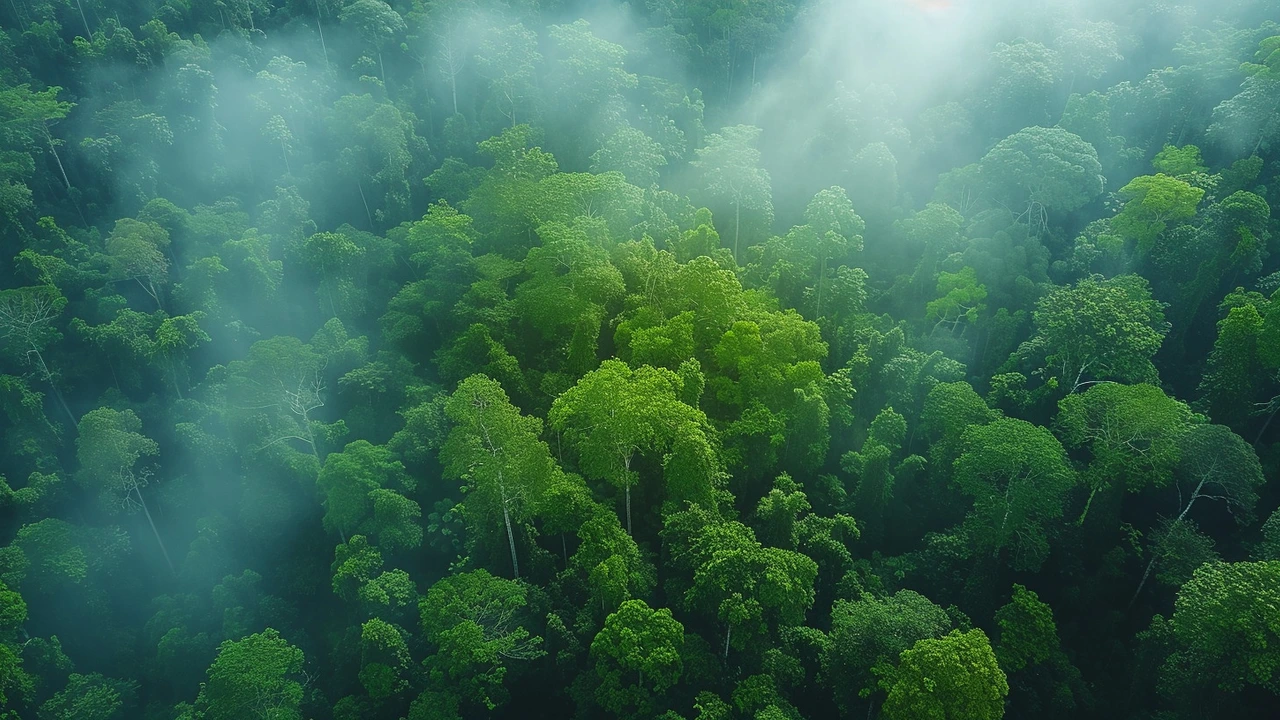
World Environment Day 2024: A Call to Combat Desertification and Drought Inspired by Laudato sì
World Environment Day 2024, hosted by Saudi Arabia, focuses on reversing land degradation and building resilience against droughts. The UN reports that up to 40% of the world's land is degraded, with drought frequency increasing. Dr. Iyad Abu Moghli calls for reforestation, soil conservation, and water management, taking inspiration from Pope Francis’ Laudato sì to engage communities in environmental protection.