
Lake Victoria Basin: Latest Environmental News & Insights
When talking about Lake Victoria Basin, the massive catch‑area that feeds Africa's largest freshwater lake and sustains over 30 million people. Also called Victoria Nile catchment, it connects water, livelihoods and biodiversity across three countries. The basin encompasses a network of rivers, wetlands, shallow water zones that filter pollutants and provide breeding grounds for fish and extensive fisheries, a vital source of protein and income for lakeside communities. It also sits within the broader Great Lakes Region, a trans‑national area that includes Lakes Victoria, Tanganyika, and Malawi, linking the basin to regional trade, tourism and climate‑change strategies. Finally, the basin feeds the Nile River, the world’s longest river system, whose flow depends on the health of its headwaters. Together these entities form a complex web where water quality, land use and policy decisions all ripple across borders.
Key Themes Shaping the Lake Victoria Basin Today
One major theme is water‑resource management. The basin’s upstream catchments experience rapid deforestation and agricultural expansion, which increase sediment loads and alter runoff patterns. This in turn affects the downstream wetlands, reducing their capacity to trap nutrients and leading to more frequent algal blooms in the lake. Another hot topic is the rise of invasive species such as the water hyacinth, a plant that blankets surface water, blocks sunlight and hinders boat traffic. Local governments and NGOs are testing biological control agents and community‑led removal programs to keep the plant in check. Meanwhile, fisheries face pressure from over‑exploitation; recent stock assessments show a decline in Nile perch and tilapia populations, prompting calls for stricter licensing and seasonal closures. Climate variability also plays a role, with erratic rainfall patterns making both flood and drought events more common, testing the resilience of the basin’s wetlands and the communities that depend on them.
All these issues intersect with cross‑border cooperation. The Lake Victoria Basin Commission, established by the three riparian states, strives to harmonise policies on water allocation, pollution control and biodiversity conservation. Its latest action plan calls for joint monitoring stations, shared data platforms and capacity‑building workshops for local fishers. By linking scientific research with on‑the‑ground initiatives, the commission aims to turn the basin’s challenges into opportunities for sustainable development. Below you’ll find a curated set of articles that dive deeper into each of these topics—covering policy updates, field‑level projects, and expert analyses that illustrate how the Lake Victoria Basin is navigating its most pressing environmental and socio‑economic hurdles.
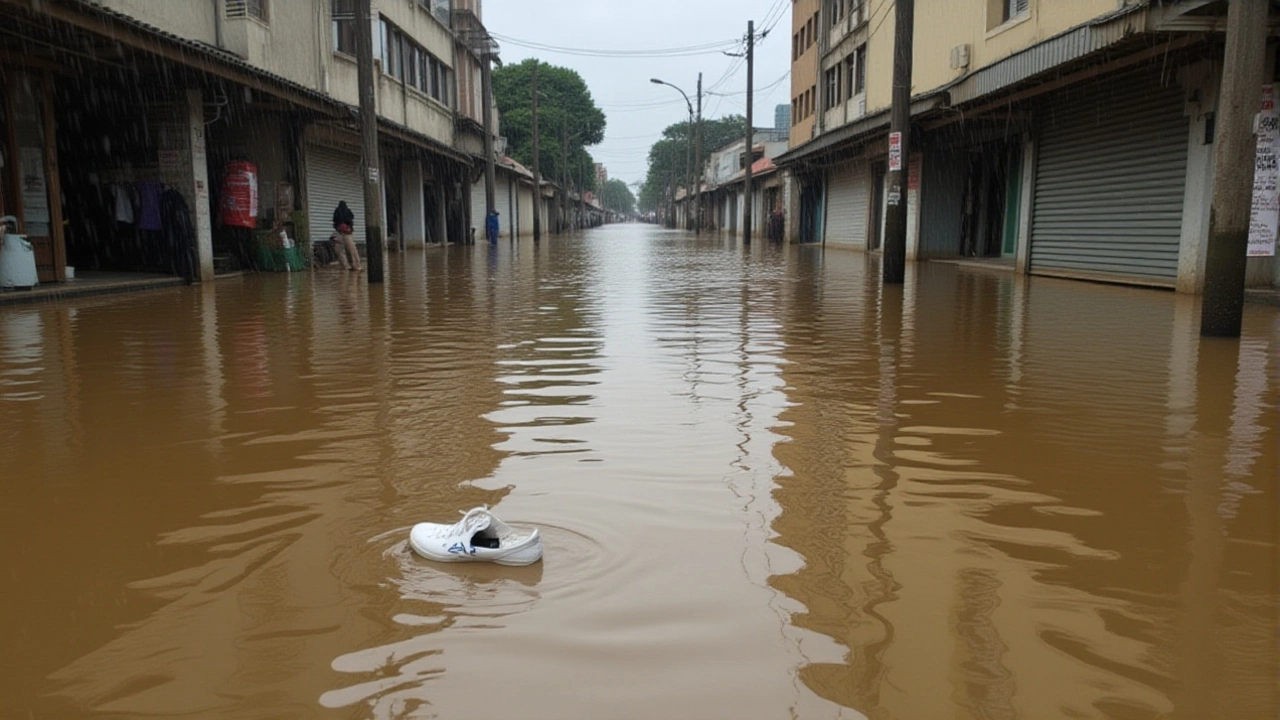
Heavy Rains Flood Nairobi, Rift Valley as Kenya’s March Crisis Deepens
Torrential rains on March 10 2025 flooded Nairobi, the Rift Valley and Lake Victoria Basin, displacing families and sparking urgent aid as climate extremes intensify.