
Video Game Aesthetic: Why It Matters and How to Nail It
When you pick up a controller or start a new PC session, the first thing you notice is the look of the game. The colors, the shapes, the way menus move – all of that is part of the video game aesthetic. A strong visual style can pull you in faster than any storyline.
In simple terms, video game aesthetic is the collection of visual choices a game makes. It includes everything from the overall art direction down to the smallest UI button. Think about the neon glow of Cyberpunk 2077 or the blocky charm of Super Mario Bros.. Those styles instantly tell you what kind of world you’re about to explore.
Retro Graphics vs. Modern Realism
Retro graphics, especially pixel art, have a nostalgic pull. The limited resolution forces designers to be creative with color and shape. That simplicity often makes games easier to read on small screens and can lower development costs. On the other hand, modern realism aims for photographic detail. It works well for immersive sims and story‑driven titles, but it can also hide gameplay cues if not handled carefully.
Choose a style that matches the core loop of your game. If you’re building a fast‑paced platformer, clear silhouettes and bold colors help players react quickly. If you’re crafting a narrative adventure, richer textures and subtle lighting can support mood and storytelling.
UI Design: The Unsung Hero
Game UI is part of the aesthetic that players often overlook. A clunky menu can break immersion even if the world looks amazing. Keep UI elements consistent with the game’s overall style. For a sci‑fi shooter, use sleek, angular panels with glowing accents. For a fantasy RPG, wooden frames and hand‑drawn icons feel more at home.
Accessibility is also a key part of good UI design. High‑contrast text, readable fonts, and adjustable sizes make sure everyone can enjoy the game. Simple, well‑placed menus also speed up decision‑making, keeping the flow smooth.
Another tip: reuse visual motifs across the game. If a particular icon appears in the HUD, let it show up in the inventory or map. This creates visual cohesion and helps players understand what symbols mean without a tutorial.
Finally, test your aesthetic on real devices. What looks great on a high‑end monitor might feel cramped on a phone. Adjust scaling, color balance, and icon sizes based on feedback.
Bottom line: a solid video game aesthetic isn’t just about looking cool. It guides player behavior, reinforces theme, and makes the whole experience feel polished. By picking a style that fits your gameplay, keeping UI consistent and accessible, and testing across platforms, you’ll give players a visual experience they’ll remember.
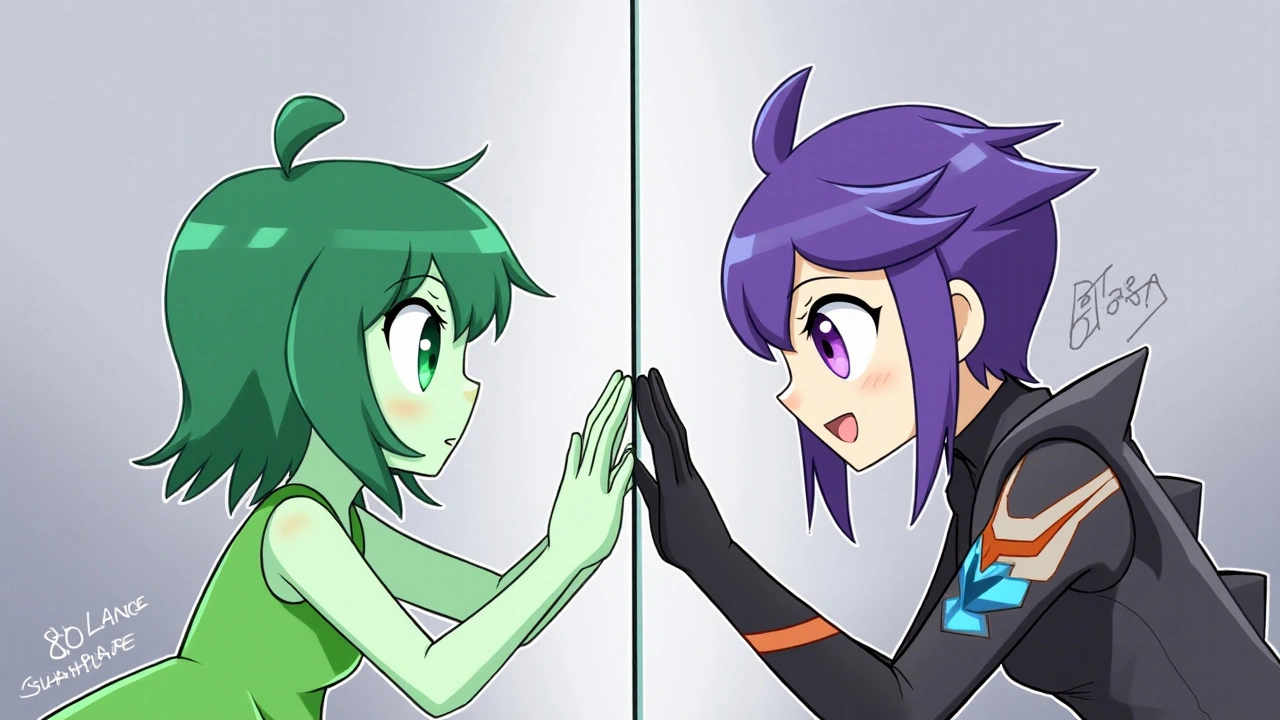
Inside Out 2: The Nostalgic Charm of Lance Slashblade's Retro Video Game Design
Lance Slashblade, introduced in Inside Out 2, takes viewers on a nostalgic journey with his retro video game-inspired design. Animator David Torres drew on classics like Final Fantasy to create Lance's distinct look. Voice actor Yong Yea adds depth with an anime-inspired performance, making Lance a standout character who serves as a video game crush for Riley in the film.